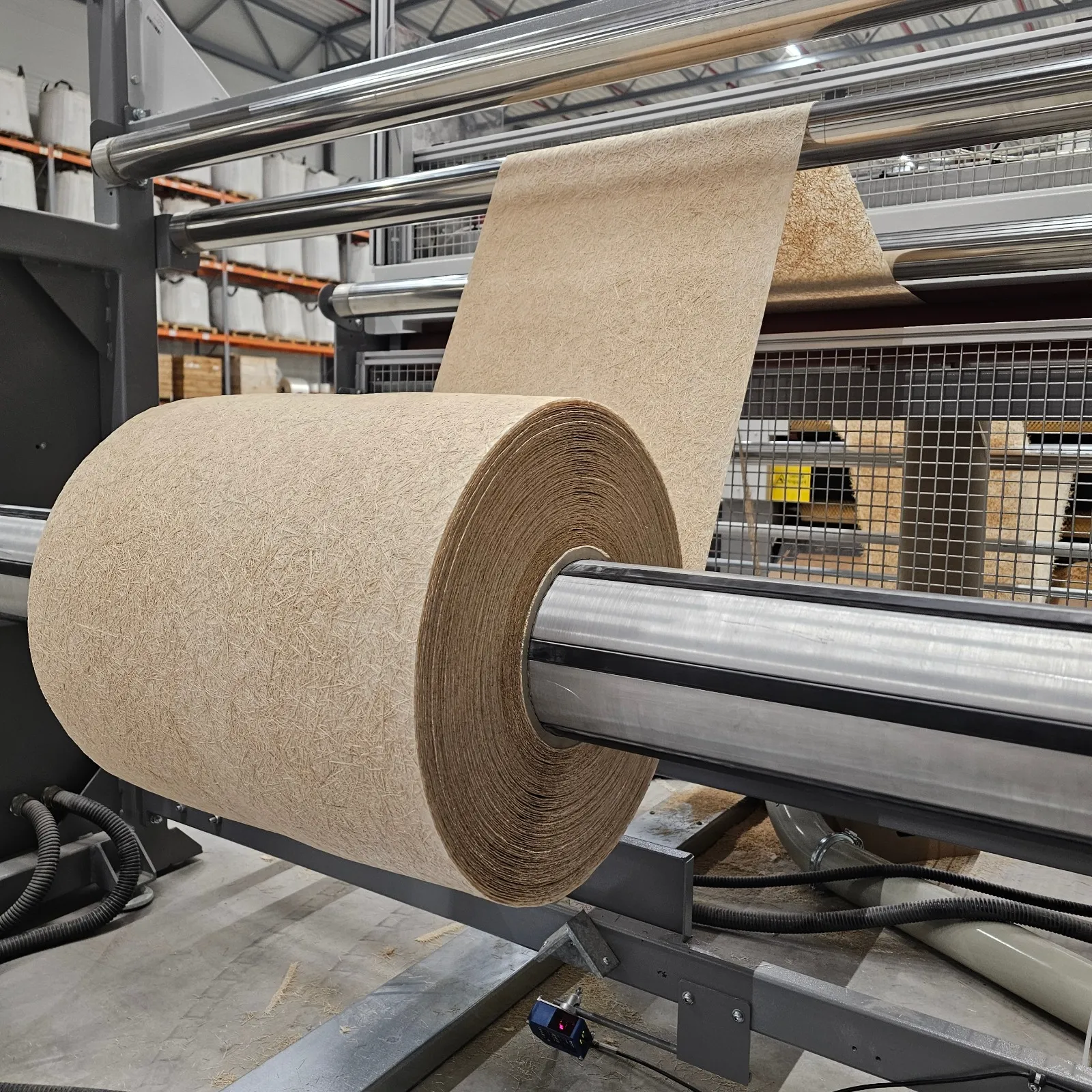
Bamboo Fiber cards set to transform the banking plastic habit, when the market is ready
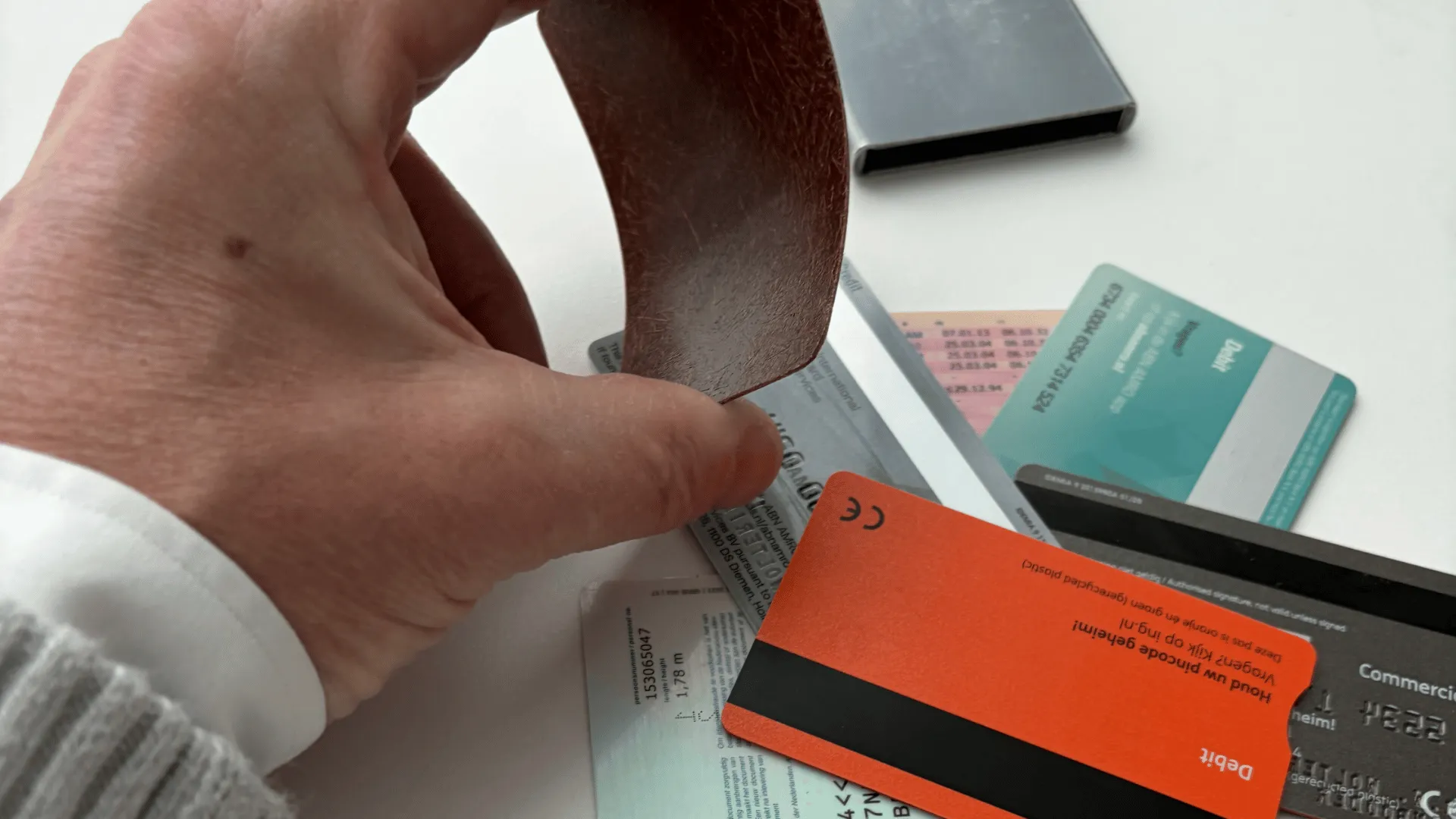
For more than three years, Bambooder has quietly been crafting what many in sustainability circles now call the “holy grail” of payment and access cards: bamboo fiber-based banking cards with a negative carbon footprint. What once seemed a distant possibility has now been proven technically feasible, and the company stands ready to scale — even though global adoption hasn’t yet followed.
The annual global production of payment cards — including credit, debit, and prepaid cards — is massive. Estimates from industry sources suggest that about six billion payment cards are produced each year, with the overwhelming majority still made from PVC plastics. That number alone generates tens of thousands of metric tons of plastic waste annually.
A proven, sustainable alternative
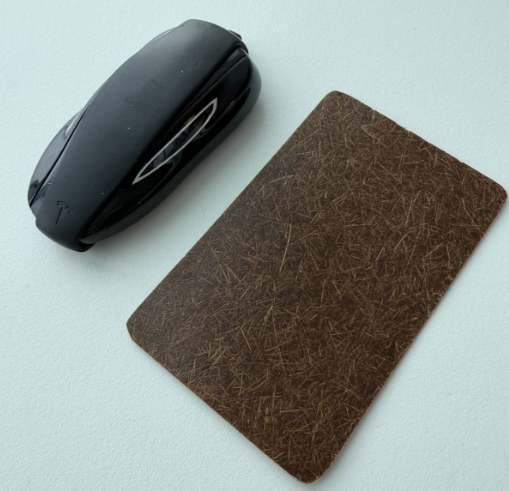
Bambooder’s R&D has moved well beyond concept stage. Over the past three years the company has developed and validated a bamboo fiber composite manufacturing process that yields fully functional cards compatible with industry standards for banking and secure access. Internal testing shows not just lower emissions, but a net negative carbon value, meaning the cards store more carbon in their material makeup than is emitted in production.
“We’ve walked the whole technical path,” says a Bambooder spokesperson. “We’ve even demonstrated the ability to produce biodegradable cards. The only missing link isn’t engineering — it’s an industry recycling infrastructure. Right now there’s simply no scalable, functional recycling or recollection program for bank cards, regardless of material.”
Market Retraction Slows Progress
Despite early enthusiasm, the sustainable card segment has hit headwinds. Discussions between Bambooder and at least four major global card manufacturers — including firms active in smartcard production and security printing — confirmed strong initial interest. All saw the environmental case for bamboo composites.
Yet broader industry priorities shifted over the past year. Major payment networks had previously outlined intentions to phase out PVC-based cards around 2027, signaling what many viewed as the start of a structural materials transition. Those initiatives have since been quietly withdrawn, leaving sustainability pilots and supplier projects paused midstream. In their place, card manufacturers have increasingly redirected attention toward premium metal cards, sensory novelties like color-changing plastics or scented finishes, and other features that prioritize differentiation over material sustainability.
Ready When the Market Is
The outcome paints a clear picture: the technical solution exists, and a majority of consumers say they want environmentally friendlier cards, but the broader industry today lacks the collective will to pivot away from conventional materials.
“It’s not a question of capability,” says Bambooder’s lead engineer. “We have the methods, the supply chain experience, and the know-how to convert the next six billion PVC-based banking cards pressed every year into carbon-negative bamboo composite versions.”
For now, that remains a promise on the horizon — one that will be realized the moment issuers, networks and manufacturers align with sustainability goals and recycle that demand into real adoption. Until then, Bambooder positions itself at the ready, proof in hand and factories poised.
.webp)
.webp)
.png)