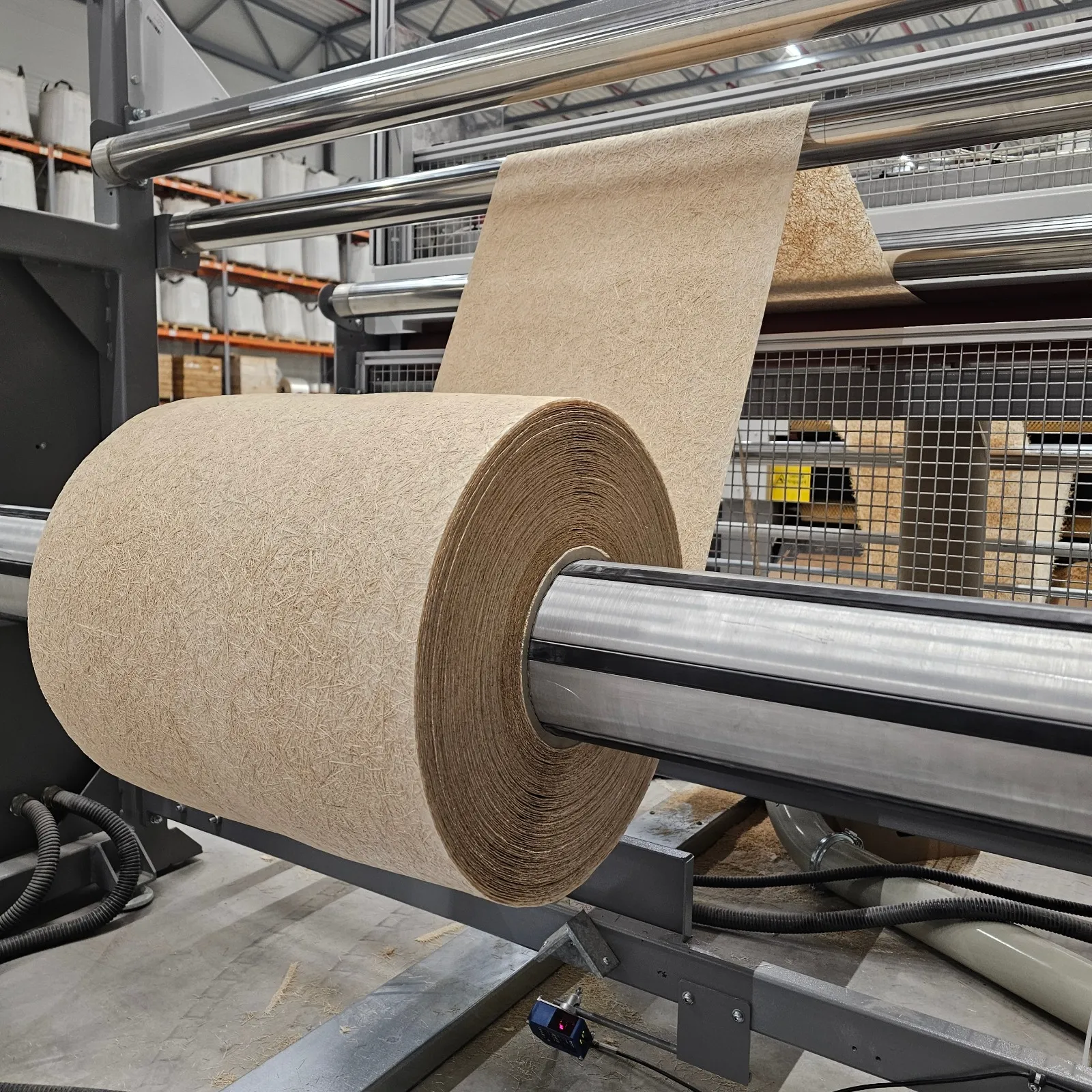
Data centers, a small component, a surprisingly big sustainability opportunity.
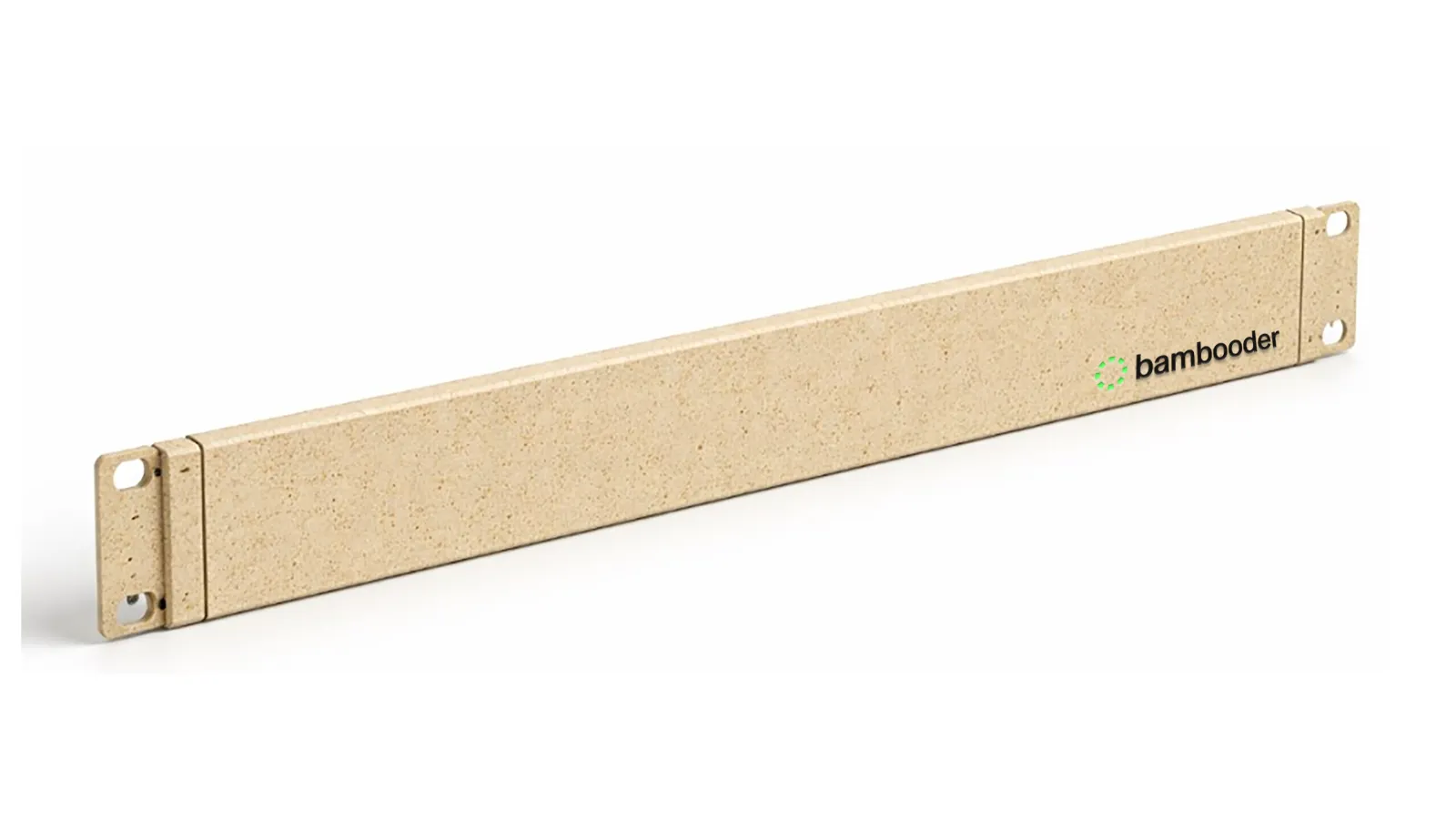
Each year roughly 1.5–2.5 million panels are added or replaced.
Most of them are made from ABS plastic (about 80%), with smaller shares of steel and aluminium. On average, that equals roughly ~4.2 kg CO₂ per kg of product — and about 5 panels per kg. Individually the impact is small, yet across the sector these enclosures account for millions of kilograms of fossil-derived CO₂. Using bamboo-fiber reinforced composites avoids those emissions and stores biogenic carbon within the product for its service life. Using thermoplastic resins, these can be fully recyclable and even carbon-negative at the material level (≈ –0.5 kg CO₂/kg). Thermoset variants come in around ≈ 0.2 kg CO₂/kg with downcycling options.
Based on current deployment volumes, switching materials could avoid ~15 million kg CO₂ in total installed stock, and around ~2 million kg CO₂ every year going forward.
And the interesting part: this is not mainly a cost problem.
Thermoset versions can already compete on price, while thermoplastic versions are modestly higher. The real barrier is something familiar to every infrastructure industry — reliability, certification, and operational confidence. Data centers are designed to avoid risk, and even small components must prove themselves.
But that’s exactly why this matters.
Sustainability in digital infrastructure will not only come from new cooling systems or renewable power contracts. It will also come from hundreds of small engineering choices, repeated millions of times.
Blanking panels won’t make headlines — yet collectively they represent a practical, low-risk step toward lower-carbon facilities.
If you operate, design, or standardize data center infrastructure, I’d genuinely like to hear your view: What would you need to see before adopting alternative materials in rack hardware?
.webp)
.webp)
.png)