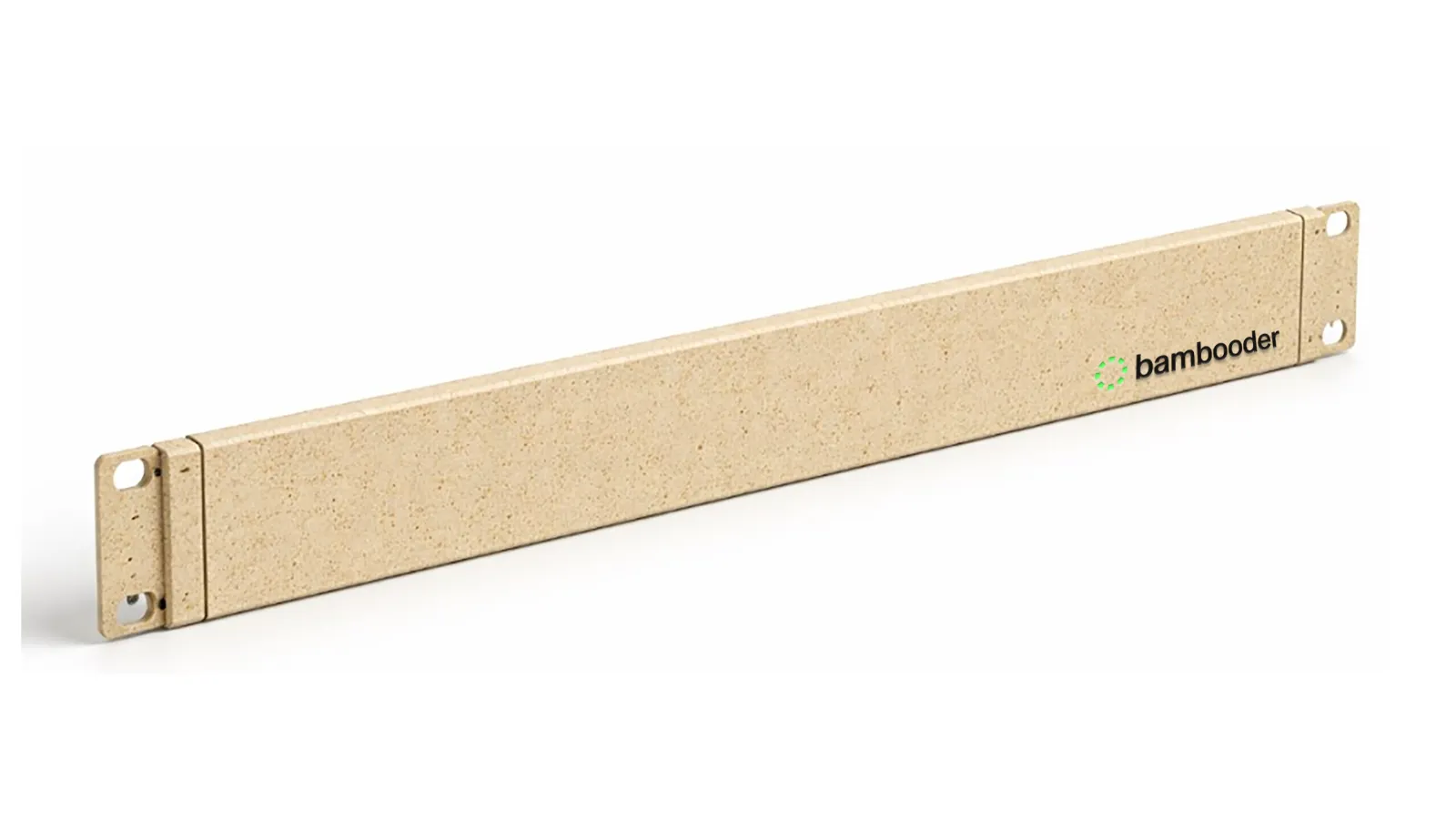
Switching to bamboo fiber costs just 40 cents per kg of end product
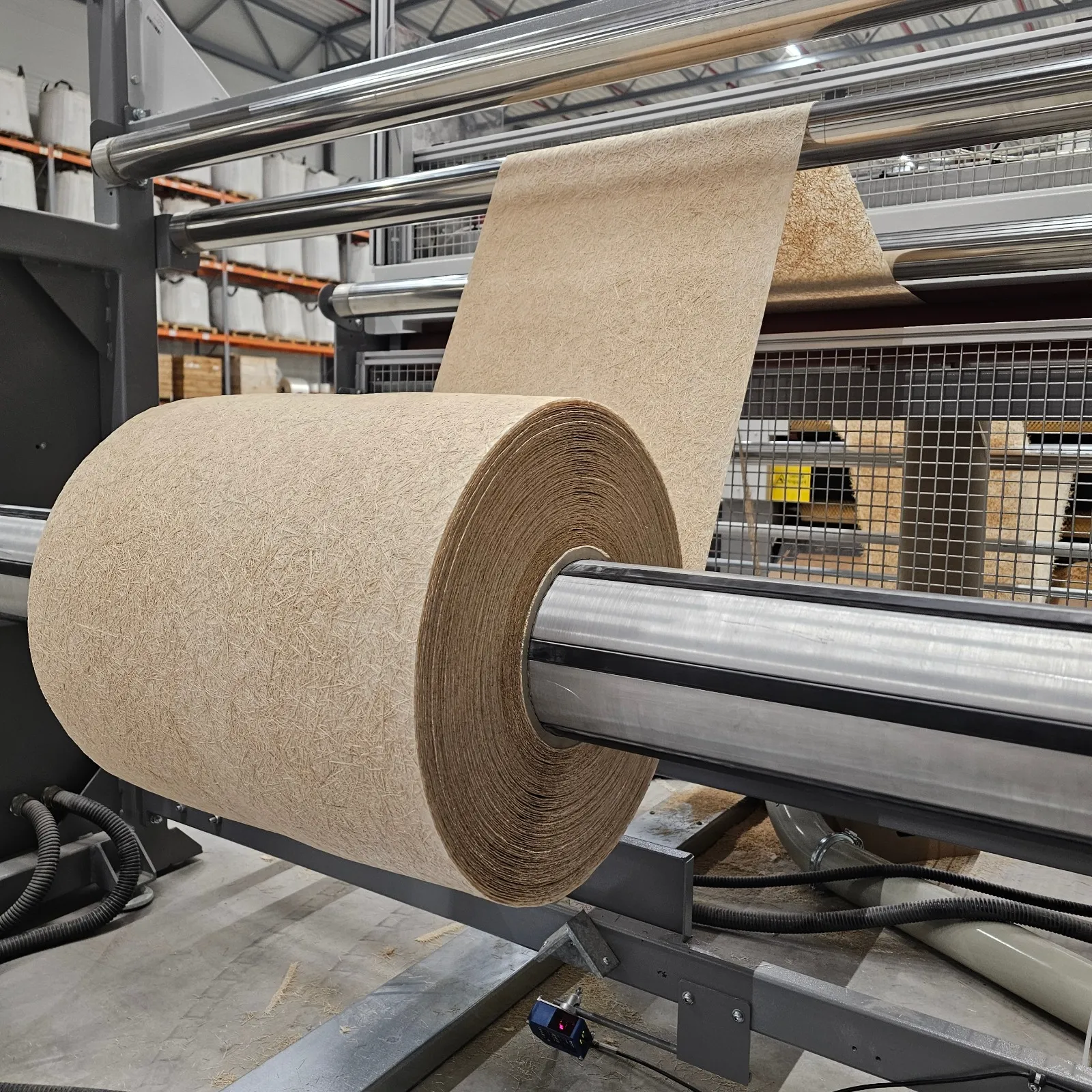
Why bamboo works better where other natural fibers fall short
Most natural fibers struggle in composite compounds. Flax and hemp, for example, contain pectin as their primary binding agent, making them far more moisture-sensitive and difficult to process reliably in thermoset and thermoplastic systems. Bamboo is different. Its lignin content gives it the moisture resistance and processing stability that compounders actually need. That's why bamboo fiber is one of the very few natural fibers genuinely suited for compounding at scale.
Fraction precision is everything
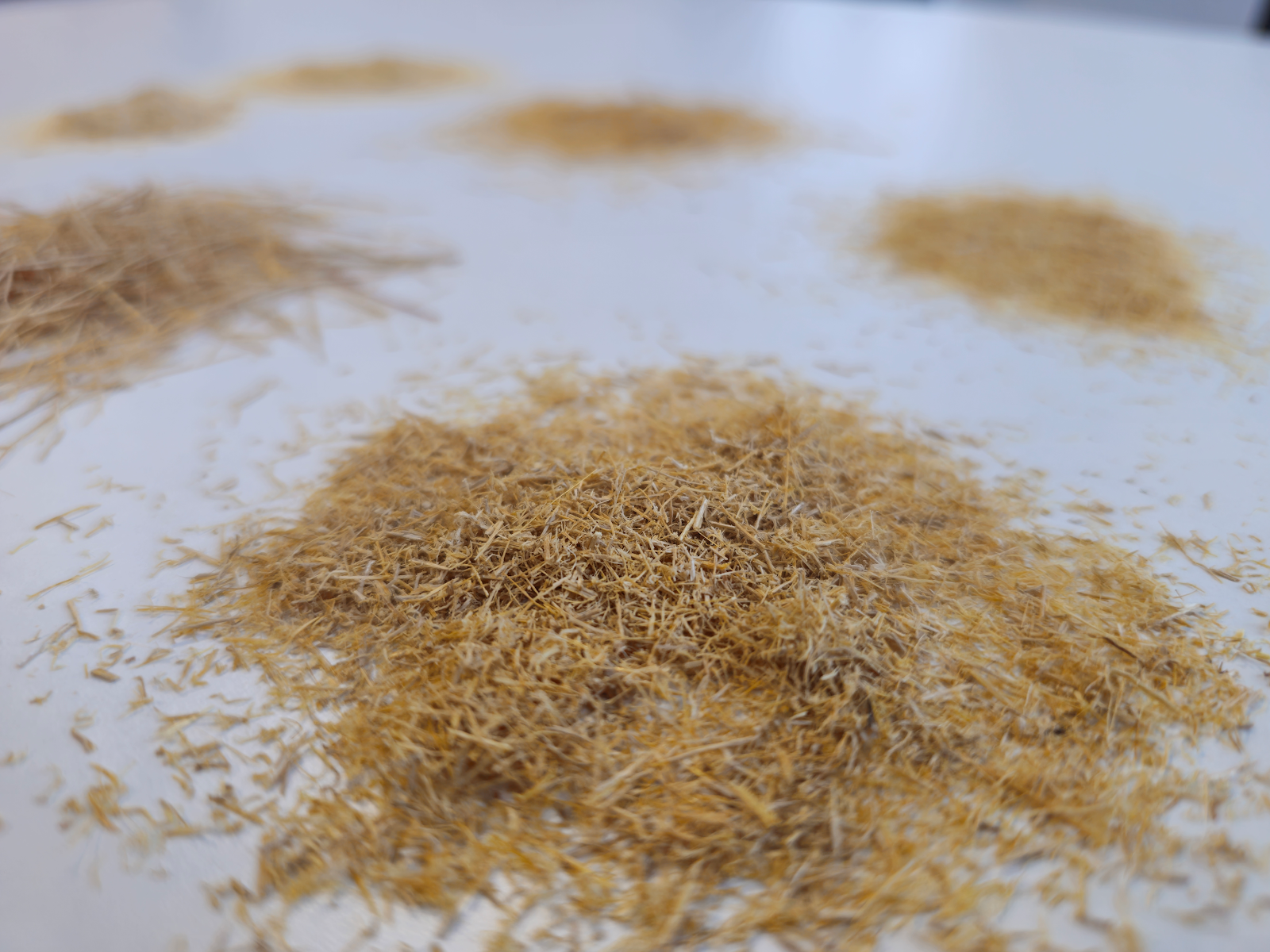
Not all bamboo fiber is equal. Each compound application requires a specific fiber fraction defined by both thickness and length. We have eight. Thickness ranges from fine dust fractions used as functional fillers up to fibers between 400 and 1,000 microns. Length runs from 0.1 mm for fine injection grades all the way to 28 mm for structural BMC and SMC applications. This level of precision is what separates a fiber supplier from a compound-ready fiber partner.
A genuine replacement for chopped glass fiber
Bamboo fiber is not a compromise, it's a replacement for chopped glass fiber in reinforced plastics. Pair it with a partially biobased resin, and the resulting compound takes a significant step toward true climate positivity. Of course, material substitution alone is not enough: products should be designed for the more sustainable material mix from the outset. The application range is broad, from 3D printing compounds using the finest fractions, through injection molding, all the way to bulk and sheet molding compounds.
The supply challenge and how it's being solved
Only a handful of companies globally, we only know one, can deliver bamboo fiber fractions in the exact specifications required for compounding. Bambooder currently produces 150 tons of fiber per year in it’s Amsterdam facility, a meaningful volume, but modest compared to what mainstream adoption demands. For a widely used end product, you'd need thousands of tons annually. Here's the good news: Bambooder can replicate each new production line within six months, adding approximately 400 tons of annual capacity per line, with the possibility to build multiple lines simultaneously. And the cost of building each new line is falling fast.
The price curve is moving in the right direction
That scale-up is already driving the economics. The price per kilogram of bamboo fiber fractions has dropped over the last two years from €20 to €7.83. At 1,000 tons of annual production, prices are projected to fall another 50%, bringing bamboo fiber directly into the competitive range of chopped glass fiber, which costs around €1.50 to €2.00 per kg.
Put that in context: fiber typically represents no more than 20% of a finished product. The price premium of switching to bamboo? Approximately 40 cents per kilogram of end product. Forty cents, for a more sustainable, often lighter, and increasingly market-differentiated product.
The real barrier isn't price, it's inertia.
Companies are slow to change, and the people inside them are risk-averse by nature. But the economics no longer justify waiting. The price gap has closed. The performance case is proven. The supply chain is scaling. What's needed now are decision-makers willing to act and to choose a better material while it still counts as leadership rather than compliance. The window to get ahead of this shift is open. Let's build the next generation of compounds, together.
.webp)
.webp)
.png)